


Empress of India
Empress of India
Vendor
EasytogrowbulbType
Flower Seeds1000 In stock
Sub total
$4.49Couldn't load pickup availability
Estimated deliver 5-9 days
People are viewing this right now


PRODUCT DETAILS
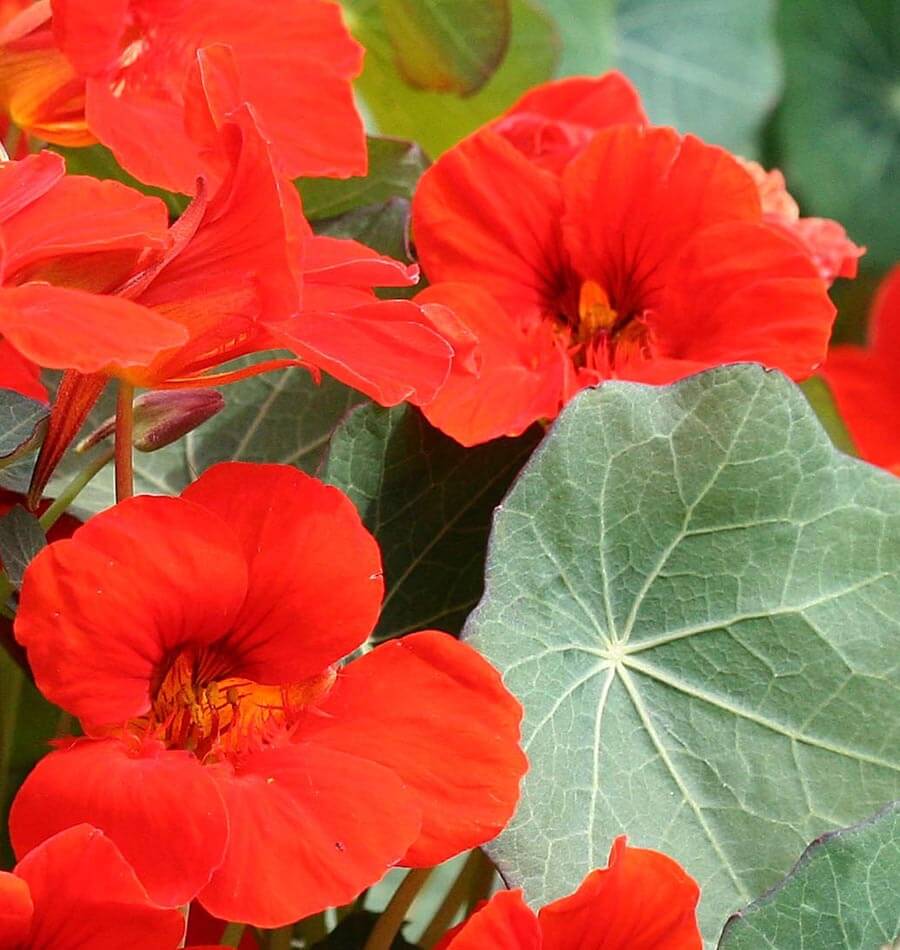
This old heirloom variety has stunning crimson flowers that rise above cascading, deep green leaves for hanging baskets or planters. Empress of India nasturtium seeds produce flowers that make a striking contrast that never fails to attract attention. This variety matures to heights of 30cm (12"). Nasturtiums are fairly tough plants and quite drought tolerant, so they make a good candidate for xeriscaping. The edible flowers produced by this nasturtium are so intensely bright red that they look amazing in salads. Save some of the fresh seeds produced by your nasturtiums for pickling. They make excellent capers. Try planting some seeds as microgreens for their powerful, peppery kick.
Annual
-
- Hardy annual
- Stunning crimson flowers
- Great for hanging baskets
- Grows to 30cm (12") tall
- Edible flowers
How to Grow Nasturtium
Timing
Sow indoors in peat or coir pots 2-4 weeks before the last frost date. Better yet, direct sow from 1 week after last frost and repeat at 2 week intervals into early summer. Optimal soil temperature for germination: 12-18°C (55-65°F). Seeds will sprout in 7-12 days, perhaps longer outdoors.
Starting
Sow seeds 5mm – 1cm (¼”-½”) deep. If starting indoors, provide darkness during germination, followed by bright light. Space smaller varieties 15-30cm (6-12″) apart, and the big ones like Tall Single 60-90cm (24-36″) apart.
Growing
Nasturtiums thrive in poor to average, slightly acidic, well-drained soil. Keep watered during dry weather, and do not fertilize.
TIPS
DISEASES & PESTS
If aphids infest nasturtiums, cut off the infested growing tip and destroy it. Otherwise, a quick jet of water from the hose will dislodge and kill aphids.