


Tall Single Mix
Tall Single Mix
Vendor
EasytogrowbulbType
Flower Seeds1000 In stock
Sub total
$3.99Couldn't load pickup availability
Estimated deliver 5-9 days
People are viewing this right now


PRODUCT DETAILS
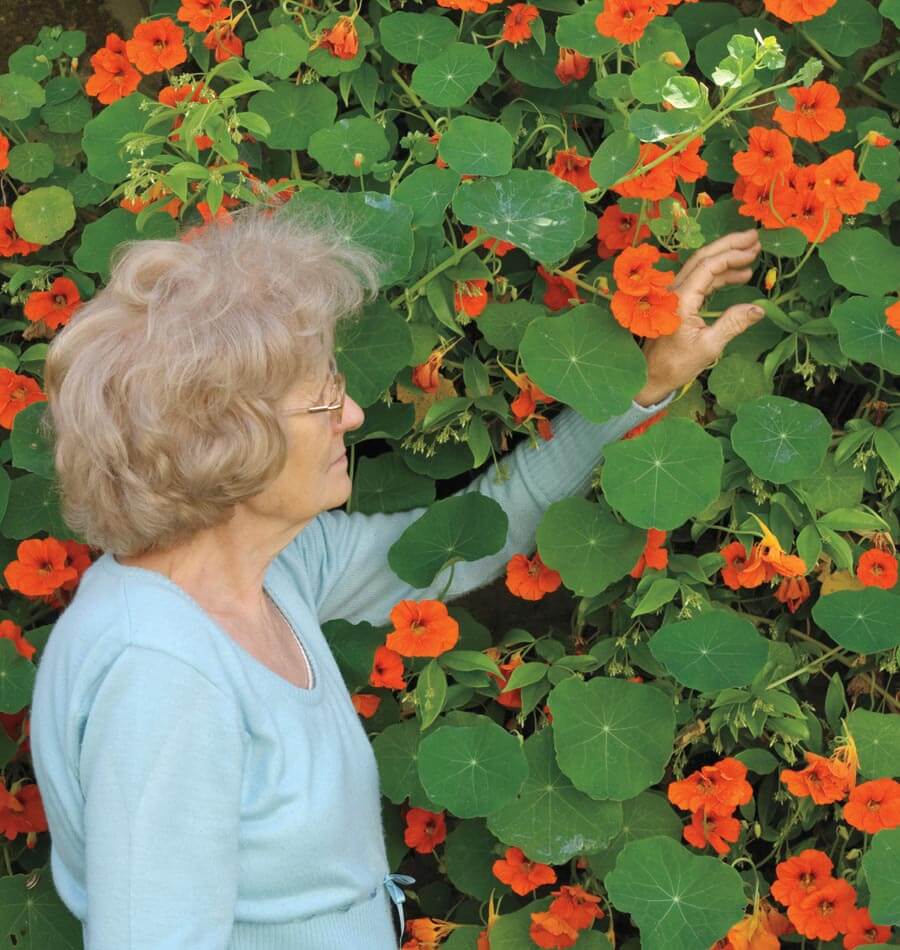
Tropaeolum majus. This prolific, trailing plant will travel great lengths. Train vertically by tying it to something. Use it in a hanging planter for dramatic effect, wrap it around a fence or archway, or let it tumble over a retaining wall. Tall Single Mix nasturtium seeds provides a wondrous assortment of lively classic nasturtium colours. Plant in full sun or partial shade - in shade it will produce even longer vines and larger leaves. This variety is excellent for filling in empty spots in the garden. The flowers are edible and the plants are drought tolerant so they're suitable for xeriscaping. Vines will grow as much as 3m (10').
Annual
-
- Hardy annual
- Lively classic colours
- Trailing plant
- Train vertically
- Plant height 3m (10')
How to Grow Nasturtium
Timing
Sow indoors in peat or coir pots 2-4 weeks before the last frost date. Better yet, direct sow from 1 week after last frost and repeat at 2 week intervals into early summer. Optimal soil temperature for germination: 12-18°C (55-65°F). Seeds will sprout in 7-12 days, perhaps longer outdoors.
Starting
Sow seeds 5mm – 1cm (¼”-½”) deep. If starting indoors, provide darkness during germination, followed by bright light. Space smaller varieties 15-30cm (6-12″) apart, and the big ones like Tall Single 60-90cm (24-36″) apart.
Growing
Nasturtiums thrive in poor to average, slightly acidic, well-drained soil. Keep watered during dry weather, and do not fertilize.
TIPS
DISEASES & PESTS
If aphids infest nasturtiums, cut off the infested growing tip and destroy it. Otherwise, a quick jet of water from the hose will dislodge and kill aphids.